

Bird Training 2026: Complete Guide for Parrots & Pet Birds
Master positive reinforcement techniques for parrots, budgies & pet
birds. Build trust, teach tricks & solve behavior problems with our
expert guide.
Bird Training 2026: Complete Guide for Parrots, Budgies & Pet
Birds
Bird training is more than just teaching tricks it’s about
building a trusting relationship with your feathered friend.
Whether you have a parrot, budgie, cockatiel, or any other pet
bird, effective training can transform your
bird’s behavior, reduce stress, and strengthen your bond. In
this comprehensive 2026 guide, we’ll explore modern bird
training techniques that work for birds of all sizes and
personalities.
Understanding bird psychology and learning to
communicate effectively with your bird could prevent behavior
problems, reduce screaming and biting, and create a happier,
more well-adjusted companion. Whether you’re a new bird owner or
looking to improve your training skills, this guide will provide
the knowledge you need for successful bird training. For
specific species recommendations, check out our
parrot training guide.
Table of Contents
- Why Train Your Bird? Benefits Beyond Tricks
- Understanding Bird Psychology & Communication
- Positive Reinforcement: The Foundation of Modern Bird
Training - Essential Basic Commands Every Bird Should Learn
- Advanced Trick Training for Birds
- Training Different Bird Species: Parrots vs. Budgies
vs. Canaries - Solving Common Bird Behavior Problems
- Essential Bird Training Tools & Equipment
- 8-Week Bird Training Success Plan
- 2026 Bird Training Trends & Innovations
- Top Recommended Training Products
- Frequently Asked Questions

Why Train Your Bird? Benefits Beyond Tricks
Bird training offers numerous benefits that
extend far beyond simple entertainment. A well-trained bird is a
happier, healthier, and safer companion. Here are the key
reasons why training is essential:
Strengthens Your Bond
Training builds trust and communication between you and your
bird. Regular positive interactions create a stronger
emotional connection and reduce fear-based behaviors.
Mental Stimulation
Birds are highly intelligent and need mental exercise.
Training sessions provide enrichment that prevents boredom,
feather plucking, and destructive behaviors.
Safety & Health
Training basic commands like “step up” and “stay” can
prevent accidents and make veterinary visits less stressful.
It also helps with nail trims and wing clipping.
Better Communication
Training helps you understand your bird’s body language and
vocalizations, allowing you to respond appropriately to
their needs and emotions.
Training
Tip
Start training when your bird is most alert usually in the
morning or early evening. Keep sessions short (5-15 minutes)
and always end on a positive note. For birds that seem
fearful.
Recommended Training
Clicker
Editor’s Choice

PetSafe Clik-R Bird Training Clicker
Professional training clicker with wrist strap. Clear,
consistent sound perfect for marking desired behaviors.
Includes beginner’s guide to clicker training. According
to the
American Veterinary Medical Association, positive reinforcement training is recommended for all
companion animals.
Understanding Bird Psychology & Communication
Successful bird training begins with understanding how birds
think and communicate. Birds are not small mammals they have
unique cognitive abilities and social structures that influence
their behavior.
Social Creatures
Birds are flock animals that thrive on social interaction.
In the wild, they communicate constantly with flock mates.
Your bird sees you as part of their flock, which explains
their need for attention and their ability to learn from
observation.
Reading Your Bird
Birds communicate primarily through body language. Learn to
recognize signs like: pinned eyes (excitement), fluffed
feathers (relaxation or illness), raised crest (attention),
and beak grinding (contentment). Understanding these signals
is crucial for effective training.
Problem-Solving Abilities
Parrots have intelligence comparable to a 4-5 year old
child. They can understand cause and effect, solve puzzles,
and even use tools. This intelligence makes them excellent
learners but also means they need constant mental
stimulation.
Long-Term Recall
Birds have excellent memories. They remember people, places,
and experiences for years. This means training successes
(and failures) will be remembered, so consistency and
positive experiences are essential.
ZimuShop 2026 Bird Training
Survey Results
We surveyed 1,235 bird owners about their training experiences
and results:
| Training Focus | % of Owners Who Train | Success Rate | Avg. Time to Learn | Owner Satisfaction |
|---|---|---|---|---|
| Step Up Command | 94% | 98% | 3-7 days | 96% |
| Target Training | 68% | 92% | 5-10 days | 89% |
| Recall/Flying to Hand | 42% | 85% | 2-4 weeks | 91% |
| Trick Training | 56% | 78% | 1-3 weeks | 87% |
| Speech Training | 61% | 65% | 1-6 months | 82% |
Based on responses from bird owners with 6+ months of training
experience.
Positive Reinforcement: The Foundation of Modern Bird Training
Positive reinforcement is the most effective
and humane method for training birds. This approach rewards
desired behaviors, making them more likely to occur again.
Here’s how to implement it successfully:
High-Value Rewards
Identify what motivates your bird: favorite treats
(sunflower seeds, nuts, fruit), praise, head scratches, or
playtime. Use these as rewards during training sessions.
Timing is Everything
Reward must come within 1-2 seconds of the desired behavior.
This immediate feedback helps your bird understand what they
did right. A clicker can help mark the exact moment.
Avoid Punishment
Never yell, hit, or spray your bird with water. Punishment
creates fear, damages trust, and can lead to aggression. It
doesn’t teach what you want only what you don’t want.
Consistency & Patience
Train in short, regular sessions. Be consistent with
commands and rewards. Every bird learns at their own pace
patience is essential for success.
Essential Basic Commands Every Bird Should Learn
These foundational skills create a safe, well-behaved companion
and make advanced training easier. Start with these basic
commands:
Step Up
The most important command. Teach your bird to step onto
your finger or hand on cue. Essential for handling, moving
between cages, and safety.
Training time: 3-7 days
Step Down
Teaching your bird to step off your hand onto a perch or
cage. Prevents biting when you need to put them away and
teaches impulse control.
Training time: 3-7 days
Target Training
Teaching your bird to touch a target stick with their beak.
This is the foundation for almost all advanced tricks and
useful for moving birds without handling.
Training time: 5-10 days
Quiet/Calm
Teaching your bird to be quiet on cue. More effective than
trying to stop screaming reward quiet moments to shape the
behavior you want.
Training time: 1-3 weeks
Building Trust
Spend time near the cage, talking softly. Offer treats
through the bars without expecting anything in return. Let
your bird set the pace some need days or weeks before
they’re ready for handling.
Introducing the Hand
With door open, rest your hand near the cage with a treat.
Don’t reach for the bird. Let them come to you. When
comfortable, place your finger against their lower chest and
say “step up” while applying gentle upward pressure.
Reinforcing the Behavior
Practice “step up” multiple times daily. Gradually increase
distance from cage. Always reward with praise and a treat.
Keep sessions under 5 minutes to prevent frustration.
Generalizing the Skill
Practice in different rooms, with different perches, and
with different family members. This teaches your bird to
respond to the cue anywhere, not just in their usual
training spot.

Target Training Stick
Training Essential

Bird Training Target Stick with Clicker
24-inch telescopic target stick with built-in clicker.
Perfect for teaching targeting, turning, and complex
tricks. Collapsible for easy storage. Research from the
World Parrot Trust
shows that target training reduces stress during handling
and veterinary procedures.
Advanced Trick Training for Birds
Once your bird has mastered basic commands, you can move on to
fun and impressive tricks. These provide mental stimulation and
strengthen your bond:
| Trick | Difficulty | Training Time | Best For | Key Benefit |
|---|---|---|---|---|
| Turn Around | Beginner | 1-2 weeks | All birds | Builds focus & coordination |
| Wave Hello | Beginner | 2-3 weeks | Parrots, Cockatoos | Encourages foot use |
| Fetch Small Object | Intermediate | 3-4 weeks | Medium-large birds | Problem-solving skills |
| Basketball Dunk | Intermediate | 4-6 weeks | Parrots, Macaws | Complex sequence learning |
| Ring Toss | Advanced | 6-8 weeks | Large, patient birds | Advanced motor skills |
Advanced
Training Tip
Break complex tricks into small, achievable steps. For
“basketball dunk”: 1) Pick up ball.
2) Carry ball to hoop.
Drop ball in hoop. Reward each step initially, then gradually
require more steps before reward. This technique, called
“shaping,” is how animals learn complex behaviors in nature.
Training Different Bird Species: Parrots vs. Budgies vs.
Canaries
Not all birds learn the same way. Understanding species-specific
traits will make your training more effective:

Parrots (African Greys, Amazons, Macaws)
Intelligence: Very high
Attention span: 15-30 minutes
Best training approach: Problem-solving,
complex tricks
Challenges: Can get bored easily, need
variety
Special note: Excellent at mimicry and
understanding context

Budgies & Small Parakeets
Intelligence: Moderate-high
Attention span: 5-10 minutes
Best training approach: Short, frequent
sessions
Challenges: Can be skittish, easily
distracted
Special note: Excellent talkers despite
small size

Cockatiels & Cockatoos
Intelligence: High
Attention span: 10-20 minutes
Best training approach: Social
interaction-based
Challenges: Can become overly
dependent
Special note: Very social, thrive on
praise and attention

Canaries & Finches
Intelligence: Moderate
Attention span: 3-5 minutes
Best training approach: Simple target
training
Challenges: Less hands-on, more
observational
Special note: Best for simple behaviors,
not complex tricks
Success Story: Charlie the Timid
Cockatiel
When Sarah adopted Charlie, a 2-year-old cockatiel, he was so
fearful he wouldn’t leave his cage. He’d hiss and bite at any
approach. Using patient target training, here’s their 6-month
transformation:
- Month 1: Target training through cage bars
– Charlie would touch the stick for millet - Month 2: First voluntary step out of cage
to touch target - Month 3: Learned “step up” onto a perch
(not hand yet) - Month 4: First step onto Sarah’s hand (with
treat incentive) - Month 5: Flying to hand on cue from across
the room - Month 6: Actively seeks interaction,
learned to wave and turn around
“The key was letting Charlie set the pace,” Sarah explains.
“Some days we made huge progress, other days we just sat near
the cage. Now he’s a confident, happy bird who loves training
sessions.”
Solving Common Bird Behavior Problems
Training isn’t just about teaching tricks it’s also about
preventing and solving behavior issues. Here are solutions to
common problems:
Excessive Screaming
Solution: Never reward screaming with
attention. Instead, reward quiet moments. Teach a “quiet”
cue. Ensure your bird gets 10-12 hours of dark, quiet sleep.
Increase mental stimulation with foraging toys.
Biting
Solution: Birds bite from fear,
frustration, or hormonal changes. Learn to read warning
signs (pinned eyes, raised feathers). If bite occurs, say
“no bite” calmly and put bird down for 1-2 minutes. Reward
gentle beak interactions.
Feather Plucking
Solution: First rule out medical causes
with an avian vet. Then address boredom, stress, or lack of
bathing opportunities. Increase foraging activities, provide
destructible toys, and establish a predictable routine.
Cage Aggression
Solution: Train your bird to step up onto a
perch rather than your hand when in the cage. Never reach
into the cage to grab always invite out. Consider cage
location changes if bird feels territorial.
When to Seek Professional Help
Consult an avian veterinarian or certified bird behaviorist
if:
- Behavior problems persist despite consistent training
-
Your bird shows signs of illness (lethargy, appetite
changes) - Feather plucking creates bald spots or wounds
- Aggression is severe and causing injury
- You feel overwhelmed or unsure how to proceed
The
Association of Avian Veterinarians
maintains a directory of bird-specialized vets worldwide.

Essential Bird Training Tools & Equipment
Having the right tools can make training easier and more
effective. Here’s what you need:
Target Stick
Extendable stick with bright tip. Essential for teaching
targeting, turning, and complex tricks. Choose one that
collapses for easy storage.
Clicker
Creates consistent sound to mark desired behavior. Helps
bridge the gap between behavior and reward. Some birds
prefer softer clickers.
Treat Dispenser
Small cup or spoon for delivering treats quickly. Prevents
fumbling with treat bags. Look for one that clips to your
clothing.
Training Perch
Portable perch for training sessions outside the cage.
Provides secure footing and defines the training area.
T-stand or tabletop versions work well.
Training Tool Safety Tips
- Always supervise your bird with training tools
-
Choose stainless steel or bird-safe plastics (no zinc, lead,
or toxic paints) - Inspect tools regularly for wear or damage
- Store treats in airtight containers to maintain freshness
- Wash hands before and after training sessions
Training Treat Variety Pack
High Value Rewards

Higgins Bird Training Treat Variety Pack
Includes 6 high-value training treats: safflower seeds,
dried papaya, almond slivers, pine nuts, dried banana, and
millet spray. Small pieces perfect for rapid reinforcement
during training. Studies from
Cornell’s Avian Sciences program
show that treat variety maintains bird interest during
training.
8-Week Bird Training Success Plan
Follow this structured plan to systematically build your bird’s
skills and confidence:
- Build trust through proximity and treats
- Establish training routine (short daily sessions)
- Introduce clicker/target stick (if using)
- Teach bird to take treat from hand gently
- Begin “step up” training with perch
- Master “step up” onto hand
- Teach “step down” onto perch
- Begin target training (touch stick)
- Introduce “turn around” using target
- Practice recall over short distances
- Increase recall distance gradually
- Teach “wave” or “shake hands”
- Introduce simple puzzle toys
- Practice commands in different locations
- Begin harness training (if desired)
- Combine tricks into sequences
- Teach object retrieval (“fetch”)
- Work on complex behaviors (basketball, ring toss)
- Solidify all commands with distractions present
- Begin maintenance training (short weekly sessions)
Tracking
Progress
- Keep a training journal: Note what worked,
what didn’t, and your bird’s mood - Record short videos: Helps you see subtle
improvements over time - Set realistic goals: Celebrate small
victories along the way - Adjust as needed: Every bird is different
modify the plan to suit your bird’s pace - Involve family members: Consistency across
all handlers speeds learning
2026 Bird Training Trends & Innovations
The field of avian training is evolving rapidly. Here are the
latest trends based on 2025 avian behavior conferences and
research:
Technology Integration
Interactive training apps with bird-specific sounds and
visual cues. Smart perches that track weight distribution
and alert to health changes. Virtual reality enrichment for
indoor birds.
Cognitive Research Applications
Using findings from avian intelligence studies to create
species-appropriate training protocols. Understanding how
different bird families (parrots vs. corvids vs. songbirds)
learn differently.
Natural Behavior Focus
Training that incorporates natural foraging, flying, and
social behaviors rather than just “tricks.” Flight training
for exercise and mental health, even in companion birds.
Online Community Training
Virtual bird training classes with live feedback. Online
platforms where owners can share progress and get advice
from certified trainers worldwide.
Additional Resources
Final Thoughts
on Bird Training
Bird training is a journey of mutual
understanding and growth. The goal isn’t perfection it’s
building a relationship based on trust, communication, and
respect. Remember that setbacks are normal, progress isn’t
always linear, and every bird has their own personality and
pace.
The most successful trainers are those who listen to their
birds, adapt their methods, and celebrate small victories.
Whether you’re teaching basic handling or complex tricks, the
real reward is the strengthened bond between you and your
feathered companion.
Your bird relies on you for their well-being, and training is
one of the greatest gifts you can give them. By investing time
in positive reinforcement training, you’re providing mental
stimulation, building confidence, and creating a happier,
healthier companion for years to come.
2026 Bird Training FAQs
How old should my bird be before I start training?
You can start basic trust-building as soon as your bird is
settled in their new home (usually 1-2 weeks after
adoption). Formal training can begin at any age. Younger
birds (3-12 months) often learn quickly but may have
shorter attention spans. Older birds can learn just as
well they may just need more patience. The key is to start
with simple behaviors and build from there.
My bird is afraid of me. How do I start training?
Start by simply sitting near the cage and talking softly.
Read aloud or work quietly nearby. Offer high-value treats
through the bars without expecting interaction. Gradually
move your hand closer over days/weeks. Never force
interaction. Some birds need weeks or months to build
trust. Target training through cage bars is an excellent
first step for fearful birds it creates positive
association with your presence without direct handling.
How long should training sessions be?
Short and frequent is best. Most birds do well with 5-15
minute sessions, 1-3 times daily. Watch for signs of
boredom or frustration (looking away, preening, biting).
End sessions while your bird is still engaged and wanting
more this keeps them excited for next time. Multiple short
sessions are more effective than one long session.
What treats are best for training?
Use small, quick-to-eat treats your bird loves but doesn’t
get regularly. Good options: pine nuts, safflower seeds,
small pieces of dried fruit, millet spray, or tiny bits of
unsalted nut. Reserve these “high-value” treats just for
training. For daily rewards during maintenance training,
use smaller portions of their regular diet. Avoid sugary
or fatty treats in large quantities.
My bird learned a trick but then forgot it. What happened?
This is normal and can happen for several reasons: lack of
practice, change in environment, hormonal periods, or
illness. Go back a few steps and reteach the behavior with
higher-value rewards. Sometimes birds “test” to see if
they still need to perform for rewards. Be consistent if a
behavior was previously rewarded, don’t stop rewarding
entirely. Switch to intermittent reinforcement (reward
sometimes, not always) to maintain behaviors long-term.
Can I train multiple birds at once?
It’s best to train birds separately, especially initially.
Birds may compete for treats, distract each other, or
learn incorrect behaviors from watching each other. Once
each bird knows basic commands individually, you can do
some group sessions for maintenance. Always ensure each
bird gets individual attention to prevent jealousy or
competition issues.
My bird bites during training. What should I do?
First, try to understand why: fear, overstimulation,
resource guarding (of treats), or communication. If bite
occurs, say “no bite” calmly, put bird down for 1-2
minutes (time out), then resume training. Never yell or
punish this increases fear. Watch for warning signs before
biting (pinned eyes, raised feathers) and end session
before bite happens. Some birds bite from excitement teach
gentler ways to interact.
How do I teach my bird to talk?
Start with simple, frequently used words said with
enthusiasm. Repeat consistently in context (say “hello”
when entering room). Reward any attempt at vocalization
initially, then shape closer approximations. Some birds
learn better from recordings or other birds. Not all birds
will talk respect their individual abilities. According to
World Parrot Trust research, African Greys, Amazons, and Budgies are most likely to
develop extensive vocabularies.
Is clicker training necessary?
Clicker training is highly effective but not absolutely
necessary. The clicker provides precise timing for marking
desired behaviors. Alternatives: a consistent word like
“good” or “yes,” a tongue click, or a pen click. What
matters is consistency use the same marker every time.
Some birds are sound-sensitive and prefer verbal markers.
Try both and see what your bird responds to best.
How do I know if my bird is enjoying training?
Signs of enjoyment: eager body language (leaning forward,
bright eyes), vocalizations (happy chirps), quick
responses, and returning for more after breaks. Signs of
stress: pinned eyes (in some species), feather fluffing,
attempts to escape, biting, or freezing. Always watch your
bird’s body language and adjust accordingly. Training
should be fun for both of you!
Can I train my bird to use a toilet?
Yes, many birds can be potty trained to some extent.
Observe when your bird typically eliminates (often upon
waking, after eating, or before flying). Place them over
an appropriate surface at these times and use a cue word.
Reward immediately after they eliminate in the right
place. Never punish accidents. Note: Birds have fast
metabolisms and can’t “hold it” like mammals provide
frequent opportunities.
My bird was previously trained but now refuses. What’s
wrong?
Consider: health issues (schedule vet check), hormonal
changes (common in spring), changes in household routine,
insufficient rewards, or burnout from too much training.
Go back to basics with high-value rewards. Ensure your
bird isn’t bored with the same old tricks teach something
new occasionally. Sometimes a break of a few days can
renew interest.

About Us

ZimuShop is your trusted partner for all pet care needs. We
provide high-quality products, expert advice, and resources to
help you care for your furry, feathered, and scaled friends.
Our team of pet experts is dedicated to helping you build a
stronger bond with your pets through proper care, training, and
nutrition.
Recommended
Bird Training Products
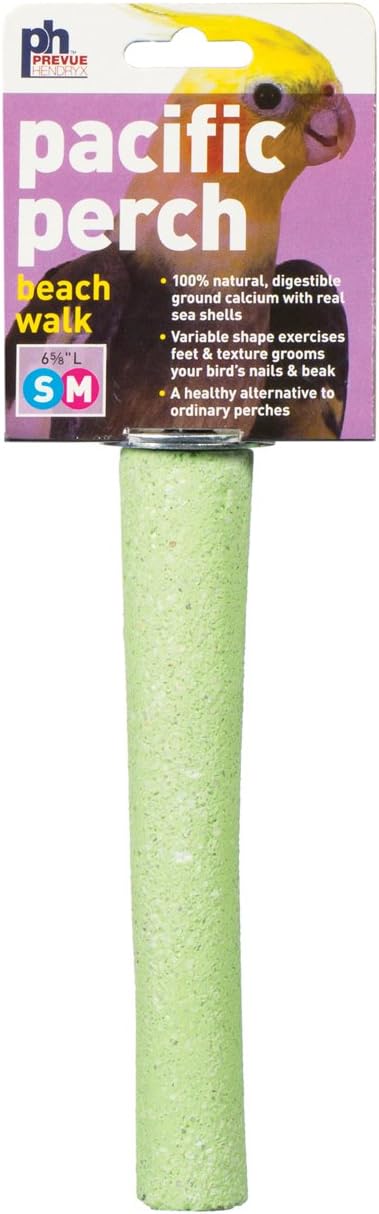
Prevue Pet Products Training Perch
Portable training perch with removable trays. Perfect for target
training, trick training, and outdoor sessions. Easy to clean
and store.

Bird Tricks Training Course DVDs
Whether you’re considering bringing a budgie into your home or
looking to improve your knowledge of these lively, intelligent
birds, The Complete Guide to Budgie Care and Ownership offers
everything you need.

JW Pet Activitoy Bird Foraging Toy
Interactive foraging toy that teaches problem-solving. Hide
treats inside compartments that birds must manipulate to access.
Reduces boredom and feather plucking.