

Combination Feeding for Dogs: 2026 Complete Guide
Discover the optimal way to mix wet and dry dog food for maximum
nutrition, hydration, and enjoyment. Expert schedules, ratios, and
benefits for all life stages.
Combination Feeding for Dogs: Complete 2026 Guide & Benefits
Combination feeding, also known as mixed feeding or hybrid
feeding, is the practice of feeding your dog both wet and dry
food. This approach has gained significant popularity in 2026 as
pet owners seek to maximize their dogs’ nutrition, hydration,
and mealtime enjoyment. But what exactly is combination feeding,
and is it right for your dog?
This comprehensive 2026 guide will explore everything you need
to know about combination feeding for dogs. From the science
behind mixing wet and dry food to practical implementation
schedules, we’ll cover how this feeding method can benefit dogs
of all ages and health conditions. Whether you have a picky
eater, a senior dog, or a growing puppy, combination feeding
might be the solution you’ve been looking for.
Table of Contents
- What Is Combination Feeding?
- 7 Proven Benefits of Combination Feeding
- Different Combination Feeding Methods
- Optimal Wet-to-Dry Food Ratios
- Sample Combination Feeding Schedules
- Combination Feeding for Different Life Stages
- How to Transition to Combination Feeding
- Cost Analysis & Budget Tips
- Common Mistakes to Avoid
- Frequently Asked Questions

What Is Combination Feeding?
Combination feeding refers to the practice of
feeding dogs a diet that includes both wet (canned) and dry
(kibble) food. This approach allows dogs to benefit from the
advantages of both food types while minimizing their respective
disadvantages. It’s not simply alternating between wet and dry
food, but rather creating a balanced approach that meets all of
your dog’s nutritional needs.
According to the
AAFCO, both wet and dry dog foods can provide complete and balanced
nutrition when properly formulated. However, each type has
unique characteristics that make combination feeding
particularly beneficial:
Did You
Know?
Dogs fed through combination feeding often show improved
hydration status compared to dogs fed only dry food. Wet food
typically contains 70-85% moisture, while dry food contains
only 6-10%. This additional hydration can benefit kidney
function and overall health, especially in older dogs or those
prone to urinary issues.
Recommended Combination Feeding
Starter Kit
Best Value
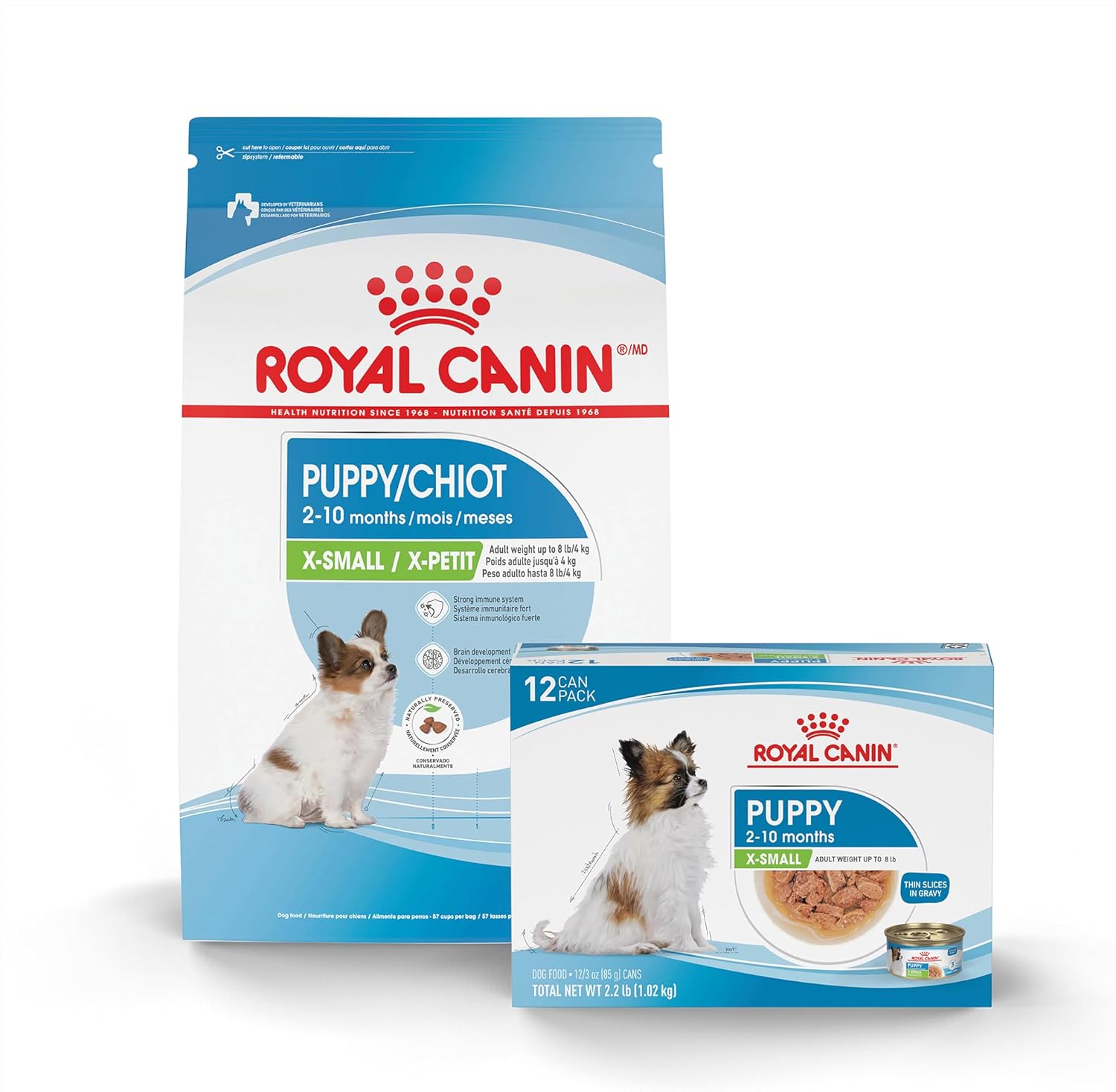
Royal Canin Combination Feeding Bundle
Perfectly balanced dry kibble and wet food formulas
designed to work together. Includes 15lb bag of dry food
and 12 cans of wet food. Formulated for optimal nutrition
when combined.
7 Proven Benefits of Combination Feeding
Combination feeding offers numerous advantages over feeding only
wet or only dry food. Here are the seven most significant
benefits supported by veterinary research:
1. Improved Hydration
Wet food provides essential moisture that many dogs don’t
get from water bowls alone. This helps prevent urinary tract
issues and supports kidney function, especially important
for senior dogs and breeds prone to kidney problems.
2. Dental Health Balance
Dry kibble helps clean teeth through mechanical abrasion,
while wet food is gentler on dogs with dental issues.
Combination feeding provides both benefits without
compromising either aspect of dental health.
3. Enhanced Palatability
Most dogs find wet food more appealing due to its texture
and aroma. Adding wet food to dry kibble can encourage picky
eaters to consume their meals while still benefiting from
dry food’s nutritional density.
4. Better Weight Management
Wet food has fewer calories per volume than dry food,
helping dogs feel fuller with fewer calories. This makes
combination feeding an excellent strategy for weight
management and preventing obesity.
5. Digestive Health Support
The moisture in wet food aids digestion and can help prevent
constipation. Meanwhile, the fiber in quality dry food
supports regular bowel movements and healthy gut bacteria.
6. Cost-Effective Nutrition
While wet food alone can be expensive, combining it with
more affordable dry food allows you to provide premium
nutrition without breaking your budget.
7. Nutritional Insurance
By feeding both wet and dry, you’re diversifying your dog’s
nutrient sources, which can help ensure they get a broader
range of vitamins, minerals, and antioxidants.

Different Combination Feeding Methods
There are several approaches to combination feeding, each with
its own advantages. Choose the method that best fits your
schedule and your dog’s preferences:
1. Mixed Meal Method
This involves mixing wet and dry food together in the same bowl
for each meal. This is the most popular method as it ensures
dogs consume both types of food and benefits from their combined
advantages in every meal.
2. Separate Meal Method
Feed wet food for one meal and dry food for another. For
example, wet food in the morning and dry food in the evening.
This method works well for dogs who are sensitive to dietary
changes or have specific digestive needs.
3. Topping Method
Use wet food as a “topper” or “mix-in” with dry kibble. This is
excellent for picky eaters who need encouragement to eat their
dry food. The wet food enhances palatability while maintaining
the dental benefits of kibble.
4. Rotational Method
Rotate between wet-only, dry-only, and mixed meals on different
days. This provides variety and can help prevent food boredom
while ensuring balanced nutrition over time.
| Method | Best For | Benefits | Considerations |
|---|---|---|---|
| Mixed Meal | Most dogs, picky eaters | Consistent nutrition, easy portion control | Must be eaten immediately, can’t be left out |
| Separate Meal | Dogs with sensitive stomachs | Easier digestion tracking, dental benefits preserved | Requires more planning, less hydration per meal |
| Topping Method | Picky eaters, weight management | Enhanced palatability, portion control | May encourage pickiness if overused |
| Rotational Method | Dogs who enjoy variety | Prevents food boredom, flexible scheduling | Requires careful calorie tracking |
Perfect Wet Food Topper
High Palatability
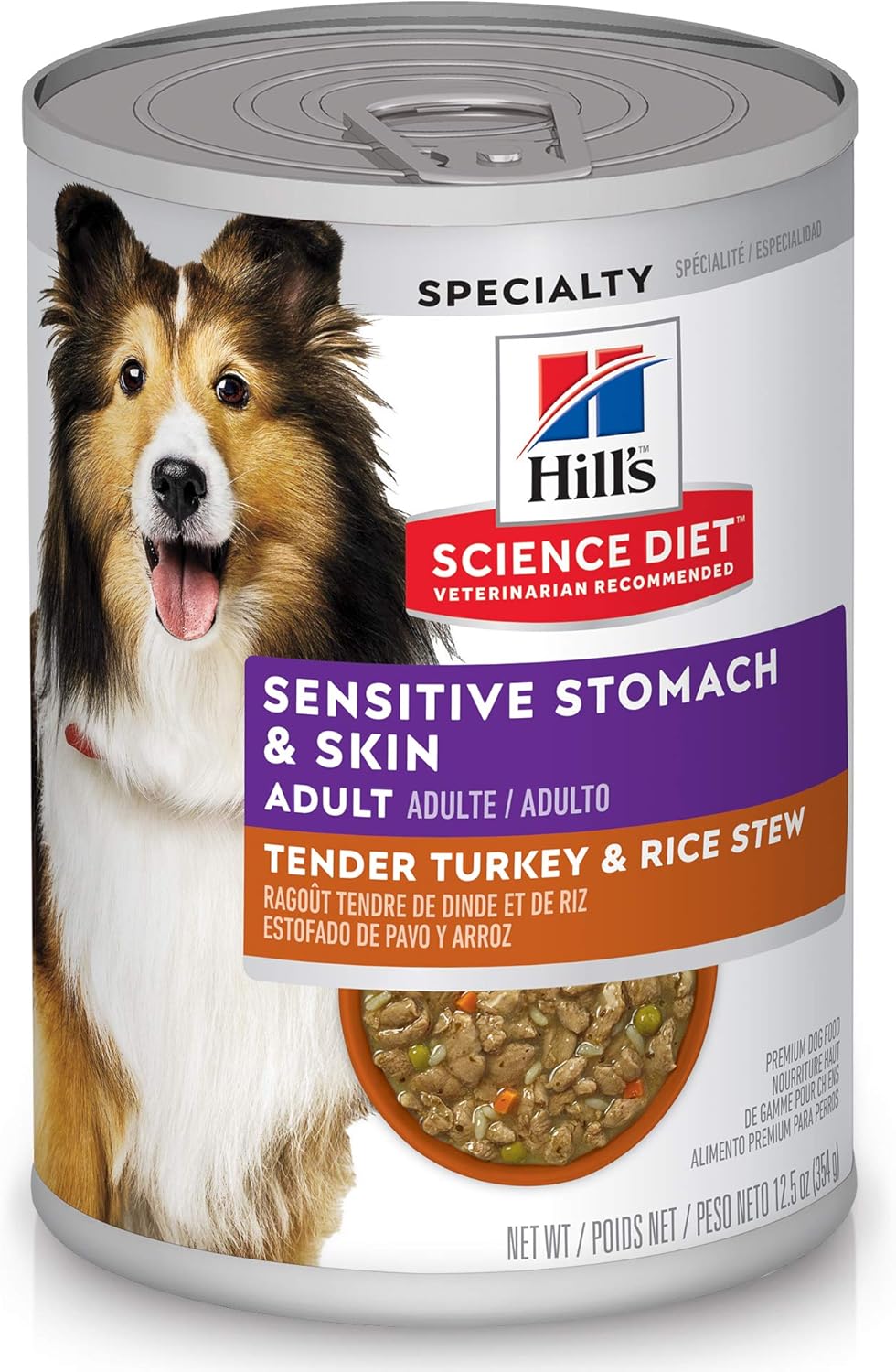
Hill’s Science Diet Wet Dog Food Topper
Specially formulated wet food designed to mix perfectly
with dry kibble. High protein content with balanced
nutrients. Easy-open cans with resealable lids for
freshness.
Optimal Wet-to-Dry Food Ratios
Finding the right balance between wet and dry food is crucial
for proper nutrition. The ideal ratio depends on your dog’s age,
health, activity level, and specific needs. Here are the most
common recommended ratios:
Dry Food
Wet Food
Recommended Ratios for
Different Needs
| Dog Type | Dry Food | Wet Food | Notes |
|---|---|---|---|
| Standard Adult | 70-75% | 25-30% | Balances hydration, dental health, and cost |
| Picky Eaters | 50% | 50% | Higher wet percentage increases palatability |
| Senior Dogs | 50-60% | 40-50% | Extra hydration for kidney health |
| Weight Loss | 60% | 40% | Wet food adds volume with fewer calories |
| Dental Issues | 80-90% | 10-20% | Maximizes dental cleaning while adding moisture |
| Hot Climate | 60% | 40% | Increased hydration during warm weather |
Always adjust portions based on your dog’s individual needs
and consult with your veterinarian for personalized
recommendations.
Important Ratio Considerations
- Calorie Density: Wet food has fewer
calories per cup than dry food. When mixing, reduce total
dry food amount to account for wet food calories. - Nutritional Balance: Ensure both foods are
“complete and balanced” according to AAFCO standards to
prevent nutrient deficiencies. - Transition Slowly: Gradually introduce new
ratios over 7-10 days to prevent digestive upset. - Monitor Weight: Weigh your dog monthly and
adjust ratios if weight changes occur. - Water Intake: Dogs on higher wet food
ratios may drink less water – monitor hydration levels.
Sample Combination Feeding Schedules
Creating a consistent feeding schedule is essential for
combination feeding success. Here are sample schedules for
different lifestyles:
Morning Meal
Mixed meal: ¾ cup dry kibble + ¼ can wet
food (mixed together). Provides energy for the day ahead
with good hydration to start the morning.
Midday Snack (Optional)
Dry only: ¼ cup dry kibble or dental treat.
Helps maintain dental health and provides a small energy
boost without disrupting dinner appetite.
Evening Meal
Separate meals: ½ can wet food followed by
½ cup dry kibble 30 minutes later. Wet food first encourages
hydration, dry food after helps clean teeth.
Alternative Schedule for Working Owners
| Time | Meal Type | Portion | Notes |
|---|---|---|---|
| Before Work | Dry Food Only | 60% of daily dry food | Can be left in automatic feeder if needed |
| After Work | Mixed Meal | 40% dry + all wet food | Quality time with your dog during feeding |
| Weekends | Mixed Both Meals | 50/50 split | Consistent nutrition with more interaction |
Success Story: Bella’s
Transformation
Bella, a 7-year-old Beagle, was a notoriously picky eater who
would often skip meals. Her owner tried multiple premium dry
foods with little success. After switching to combination
feeding:
- Week 1: Started with 25% wet food mixed
with dry – Bella immediately showed more interest in meals - Month 1: Increased to 40% wet food –
Consistent meal consumption, weight stabilized - Month 3: Coat became noticeably shinier,
energy levels improved - Month 6: Annual vet check showed improved
hydration markers and perfect weight
“Combination feeding transformed Bella from a finicky eater to
a dog who eagerly anticipates every meal. The added hydration
has also helped with her occasional constipation issues,”
reports her owner, Sarah.
Combination Feeding for Different Life Stages
Dogs have different nutritional needs at various life stages.
Here’s how to adapt combination feeding for each stage:
Puppies (2-12 months)
Ratio: 60% dry, 40% wet
Frequency: 3-4 meals daily
Special Considerations: Use
puppy-formulated foods, ensure proper calcium-phosphorus
ratio, monitor growth rate closely.
Adult Dogs (1-7 years)
Ratio: 70-75% dry, 25-30% wet
Frequency: 2 meals daily
Special Considerations: Adjust based on
activity level, monitor weight, consider breed-specific
needs.
Senior Dogs (7+ years)
Ratio: 50-60% dry, 40-50% wet
Frequency: 2-3 smaller meals
Special Considerations: Higher moisture for
kidney health, softer texture for dental issues, adjusted
protein levels.
Performance/Working Dogs
Ratio: 80% dry, 20% wet
Frequency: 3 meals + snacks
Special Considerations: Higher calorie
needs, increased protein, timing meals around activity.
Senior Dog Combination Food
Joint Support

Purina Pro Plan Senior Combination Pack
Specifically formulated for senior dogs with glucosamine
for joints, antioxidants for immune health, and optimal
protein/fat ratio. Includes both dry kibble and wet food
in senior-appropriate portions.
How to Transition to Combination Feeding
Transitioning from a single food type to combination feeding
should be done gradually to prevent digestive upset. Follow this
10-day transition plan:
10-Day Transition Schedule
- 90% current food
- 10% new combination (mostly dry)
- Monitor stool consistency
- Watch for appetite changes
- Ensure fresh water available
- 75% current food
- 25% new combination (add wet food)
- Introduce wet food gradually
- Mix foods thoroughly
- Monitor hydration levels
- 50% current food
- 50% new combination
- Adjust to target ratio
- Note energy level changes
- Check coat and skin condition
- 100% combination feeding
- Final target ratio achieved
- Weigh your dog weekly
- Adjust portions as needed
- Enjoy the benefits!
Transition Success Tips
- Go slower if needed: Some dogs with
sensitive stomachs may need 14-21 days for full transition - Keep a journal: Record appetite, stool
quality, energy levels, and any concerns - Consult your vet: Always discuss dietary
changes with your veterinarian, especially for dogs with
health conditions - Maintain routine: Keep feeding times
consistent even as you change the food type - Be patient: Some dogs resist change;
persistence with gradual introduction usually succeeds

Cost Analysis & Budget Tips
Many pet owners worry that combination feeding will be
significantly more expensive than dry-only feeding. Let’s break
down the costs:
Combination Feeding Cost
Calculator
Estimate your monthly costs based on your dog’s size and
chosen brands:
Budget-Friendly Combination Feeding Tips
- Buy in bulk: Purchase larger bags of dry
food for lower cost per pound - Use wet food as topper: Even a small amount
of wet food mixed with dry can provide benefits - Shop sales: Stock up on wet food when it’s
on sale - Consider subscription services: Many
retailers offer 5-15% discounts for auto-delivery - Mix with homemade: Add small amounts of
cooked lean meat or vegetables (consult your vet first) - Compare unit prices: Larger cans are often
cheaper per ounce than smaller ones
Common Mistakes to Avoid
When starting combination feeding, avoid these common pitfalls:
Top
Combination Feeding Mistakes
- Overfeeding: Not adjusting total calories
when adding wet food, leading to weight gain - Incomplete nutrition: Using treats or
non-complete foods as the wet component - Poor food safety: Leaving mixed food out
too long (discard after 30 minutes) - Abrupt changes: Switching ratios or foods
too quickly causing digestive upset - Ignoring dental health: Using too much wet
food without compensating for dental care - Mismatched foods: Combining foods with
vastly different nutritional profiles - Forgetting water: Assuming wet food
eliminates the need for fresh water
Additional Resources
Final Thoughts
on Combination Feeding
Combination feeding represents one of the most flexible and
beneficial approaches to canine nutrition available today. By
thoughtfully mixing wet and dry foods, you can provide your
dog with optimal hydration, enhanced palatability, balanced
dental care, and cost-effective nutrition all in one feeding
strategy.
Remember that every dog is unique. What works perfectly for
one dog may need adjustment for another. Start with
conservative ratios, transition gradually, monitor your dog’s
response, and don’t hesitate to consult with your veterinarian
for personalized guidance.
The goal of combination feeding is to enhance your dog’s
quality of life through improved nutrition and mealtime
enjoyment. With careful planning and attention to your dog’s
individual needs, you can create a feeding regimen that
supports their health, happiness, and longevity for years to
come.
2026 Combination Feeding
FAQs
Can I mix any wet and dry dog foods together?
While you can technically mix any foods, it’s best to
choose wet and dry foods from the same brand and product
line whenever possible. These are specifically formulated
to work together nutritionally. If mixing different
brands, ensure both are “complete and balanced” according
to AAFCO standards and have similar ingredient profiles to
maintain nutritional balance.
How do I calculate calories when combination feeding?
First, determine your dog’s daily calorie needs based on
weight, age, and activity level. Then calculate the
calories from each food component. For example, if using
75% dry and 25% wet: Multiply the daily calorie
requirement by 0.75 for dry food calories and by 0.25 for
wet food calories. Convert these to cup/can amounts using
the calorie information on the food labels. Most premium
brands now provide combination feeding guidelines on their
packaging.
Will combination feeding make my dog a pickier eater?
Not if done correctly. Some dogs may develop preferences,
but you can prevent this by:
1) Maintaining consistent ratios.
2) Not giving in to begging for more wet food.
3) Keeping meal times regular.
4) Using wet food as a mix-in rather than a separate
treat. If your dog refuses to eat, remove the food after
20 minutes and offer it again at the next scheduled meal.
Most dogs will learn to eat what’s offered.
Is combination feeding safe for dogs with medical
conditions?
For many conditions, yes – and it can be beneficial. The
extra hydration helps dogs with kidney issues, urinary
problems, or constipation. For diabetic dogs, consistent
carbohydrate content is crucial, so work with your vet to
find compatible foods. Dogs with specific dietary
restrictions (allergies, pancreatitis, etc.) need
carefully selected foods that meet their medical needs.
Always consult your veterinarian before changing the diet
of a dog with medical conditions.
How long can mixed wet and dry food sit out?
Mixed wet and dry food should not sit out for more than 30
minutes at room temperature. After this time, bacterial
growth becomes a concern, and the food should be
discarded. If your dog doesn’t finish within 30 minutes,
refrigerate the remaining portion immediately and use
within 24 hours. Never leave mixed food out all day for
“free feeding.”
Can I combination feed with raw food instead of wet food?
Yes, but with important precautions. Raw food carries
bacterial risks for both pets and humans. If mixing raw
with dry kibble, feed them at separate meals (at least 4
hours apart) as they digest at different rates. Never mix
raw and dry food together in the same bowl. Consult with a
veterinary nutritionist to ensure proper balance and
handle all raw food with strict hygiene protocols.
How does combination feeding affect dental health?
When done correctly, combination feeding can support
dental health. Dry kibble provides mechanical cleaning
action that helps reduce plaque. To maintain this
benefit:
1) Ensure at least 50% of the diet is dry food.
2) Offer dental chews or toys.
3) Consider larger kibble size for bigger dogs.
4) Maintain regular teeth brushing. The
American Veterinary Dental College
recommends continuing regular dental care regardless of
diet.
Should I adjust feeding amounts seasonally with
combination feeding?
Yes, seasonal adjustments can be beneficial. In hot
weather, consider increasing the wet food percentage
slightly for extra hydration. In cold weather, active dogs
may need more calories, which can come from either
component. Always monitor your dog’s weight and condition,
adjusting portions as needed. A good rule: For every 10°F
temperature change, dogs may need a 5-10% calorie
adjustment.
Can I use combination feeding for weight loss?
Absolutely. Combination feeding can be excellent for
weight management. The high moisture content of wet food
helps dogs feel fuller with fewer calories. For weight
loss:
1) Use a weight management formula for both components.
2) Increase wet food percentage to 40-50%.
3) Measure all portions carefully.
4) Consult your vet for target calories.
5) Increase the vegetable content (green beans, carrots)
for added bulk without calories.
How do I store opened wet food for combination feeding?
Transfer unused wet food to an airtight container and
refrigerate immediately. Use within 3 days. Label with the
opening date. Never store wet food in the opened can in
the refrigerator. For easier portioning, consider dividing
a new can into daily portions using silicone ice cube
trays, freezing them, and thawing as needed.
Is combination feeding suitable for multi-dog households?
Yes, but with management. Feed dogs separately to ensure
each gets their correct portion and ratio. This prevents
food aggression and allows for individual adjustments. If
dogs have different dietary needs, use different foods or
ratios. Consider feeding in crates or separate rooms if
resource guarding is an issue.
What are the signs that my combination feeding ratio needs
adjustment?
Watch for:
1) Weight gain/loss.
2) Changes in stool consistency.
3) Decreased energy levels.
4) Dull coat or skin issues.
5) Increased thirst or urination.
6) Dental problems.
7) Food refusal. Any of these may indicate the ratio needs
adjusting. Make changes gradually (5-10% at a time) and
monitor for improvement.

About Us

ZimuShop is your trusted partner for all pet care needs. We
provide high-quality products, expert advice, and resources to
help you care for your furry, feathered, and scaled friends.
Our team of pet experts is dedicated to helping you build a
stronger bond with your pets through proper care, training, and
nutrition.
Combination
Feeding Products

Hoki Found -Waterproof Pet Feeding Mats with High Lips
Includes dry kibble and wet food pouches specifically balanced
for combination feeding. LifeSource Bits for antioxidants.

PETLIBRO Automatic Cat Feeder with Camera
Grain-free dry kibble and wet food with deboned meat as first
ingredient. Probiotics for digestive health.

Wellness CORE Combination Pack
High-protein, grain-free combination with turkey and chicken.
Omega fatty acids for skin and coat health.