

2026 Pet Behavior Guide: Understanding & Training Your Pet
Comprehensive guide to understanding pet behavior, solving common
issues, and building stronger bonds with your dogs, cats, and other
pets using 2026 methods.
Complete 2026 Pet Behavior Guide: Understanding, Training &
Problem Solving
Understanding pet behavior is the foundation of building a
strong, healthy relationship with your animal companion. In
2026, our approach to pet behavior has evolved significantly,
moving beyond simple obedience to a more holistic understanding
of animal psychology, communication, and emotional well-being.
This comprehensive guide will help you understand
why pets behave the way they do and provide
practical solutions for common behavior issues.
Whether you’re dealing with a barking dog, a scratching cat, or
any other pet behavior challenge, this guide provides
evidence-based strategies that respect your
pet’s needs while achieving the results you want. For
breed-specific guidance, check out our
small dog behavior guide. For puppies starting their training journey, see our
age-appropriate puppy training schedule.
Table of Contents
- Understanding Pet Behavior Fundamentals
- How Animals Communicate: Reading Body Language
- Common Pet Behavior Problems & Solutions
- Species-Specific Behavior Guides
- 2026 Training Methods: What’s Changed
- Positive Reinforcement Techniques That Work
- Advanced Problem Solving Strategies
- Recommended Training Products
- Building a Stronger Bond with Your Pet
- When to Seek Professional Help
- Frequently Asked Questions

Understanding Pet Behavior Fundamentals
Pet behavior is not random it’s communication.
Every action, from barking to scratching, serves a purpose in
your pet’s world. Understanding these fundamental principles is
key to solving behavior problems effectively:
Behavior is Communication
Pets don’t have words, so they use behavior to communicate
needs, fears, desires, and discomfort. Barking, scratching,
chewing all are forms of communication we need to decode.
Genetics Play a Role
Breed characteristics and genetics influence behavior
significantly. Herding breeds may nip, retrievers may carry
things, terriers may dig understanding breed tendencies
helps manage expectations.
Learning Never Stops
Pets are constantly learning from their environment and from
us. They learn what works (gets attention, food, relief) and
what doesn’t. This learning happens whether we’re actively
training or not.
Emotions Drive Behavior
Fear, anxiety, excitement, boredom these emotions drive
behavior. Addressing the underlying emotion is often more
effective than trying to suppress the behavior itself.
Behavior
Science Insight
According to the
American Veterinary Society of Animal Behavior, punishment-based training methods are associated with
increased fear, anxiety, and aggression in pets. Positive
reinforcement methods not only work better but also strengthen
the human-animal bond. For multi-pet households, see our
step-by-step introduction protocol
to prevent conflicts.
Recommended Training
Tool
Editor’s Choice

PetSafe Clicker Training Kit with Treat Pouch
Complete clicker training kit with ergonomic clicker,
treat pouch, and training guide. Perfect for positive
reinforcement training with dogs, cats, and even birds.
The consistent sound helps pets understand exactly which
behavior earned the reward.
How Animals Communicate: Reading Body Language
Understanding pet body language is like
learning a foreign language it takes practice but dramatically
improves your relationship. Here’s what to look for across
different species:
Body Language Decoder
Based on research from the
Fear Free Happy Homes
program, here are key signs of common emotional states:
| Emotion | Dog Signs | Cat Signs | Bird Signs |
|---|---|---|---|
| Relaxed/Content | Soft eyes, loose body, wagging tail at medium height | Slow blinking, upright tail with curve at tip, purring |
Fluffed feathers while preening, soft chirping, relaxed posture |
| Anxious/Stressed | Yawning, lip licking, panting, tucked tail, whale eye |
Ears sideways or back, tail twitching, hiding, reduced appetite |
Feathers slicked down, rapid breathing, aggression, screaming |
| Playful | Play bow, bouncy movement, “smiling,” barking | Ears forward, tail up, dilated pupils, “zoomies” |
Head bobbing, wing flapping, playful biting, vocalizations |
| Aggressive/Defensive | Stiff body, raised hackles, growling, showing teeth | Arched back, puffed tail, hissing, ears flat |
Beak snapping, lunging, raised crest feathers, loud alarms |
Note: Context matters always consider the whole situation
before interpreting body language.
Case Study: Luna’s Anxiety
Transformation
When Sarah adopted Luna, a 3-year-old rescue dog, she
exhibited severe anxiety behaviors: destructive chewing when
alone, excessive barking at noises, and fear of strangers.
Traditional “dominance” methods only made things worse. Here’s
what worked:
- Week 1-2: Identified triggers using a
behavior journal (left alone, loud noises, unfamiliar
people) - Week 3-4: Implemented desensitization
protocol starting with lowest-intensity triggers - Month 2: Added enrichment activities (food
puzzles, scent games) to reduce boredom - Month 3: Taught alternative behaviors (go
to mat, touch target) for incompatible responses - Month 6: Luna could be left alone for 4
hours without destruction, barked 80% less at noises
Luna’s success demonstrates that
understanding the “why” behind behavior is
more effective than trying to suppress symptoms. Research from
the
ASPCA’s Behavioral Sciences Team
shows similar patterns across thousands of cases.
Common Pet Behavior Problems & Solutions
Most behavior problems fall into common categories. Here are
evidence-based solutions for the most frequent issues pet owners
face:
Excessive Barking/Meowing
Solution: Identify the cause (boredom,
alarm, attention-seeking, anxiety). For attention-seeking:
ignore the barking, reward quiet. For boredom: increase
exercise and mental stimulation. For anxiety:
desensitization training.
Destructive Chewing/Scratching
Solution: Provide appropriate outlets
(scratching posts, chew toys). Use deterrent sprays on
inappropriate items. Supervise and redirect to appropriate
items. Ensure adequate exercise and mental stimulation.
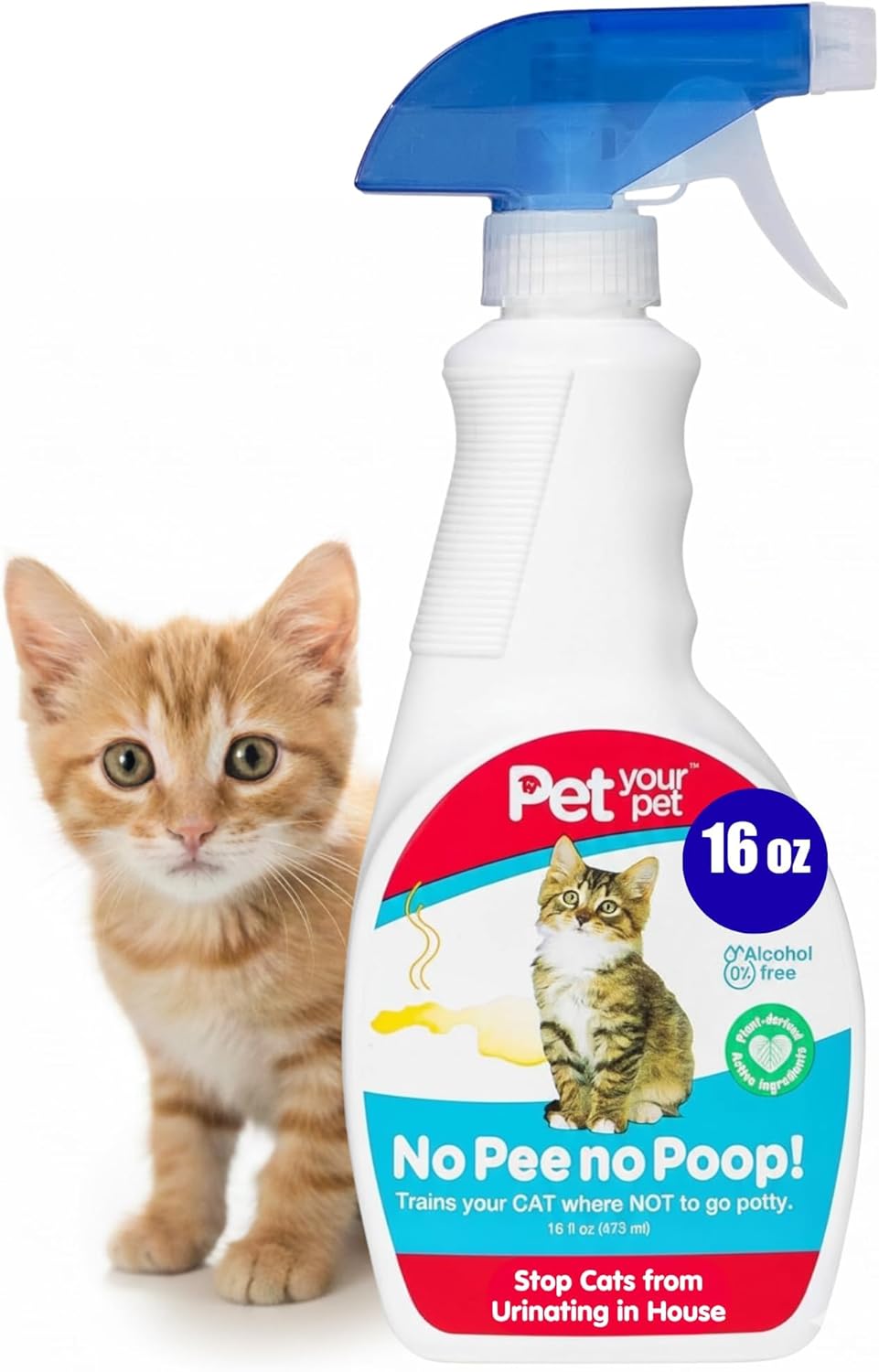
House Soiling/Litter Box Issues
Solution: Rule out medical issues first.
For cats: ensure clean litter, proper number/location of
boxes, appropriate litter type. For dogs: establish
consistent schedule, clean accidents with enzymatic cleaner,
don’t punish.
Separation Anxiety
Solution: Gradual desensitization to
departures. Create positive associations with alone time
(special treats/toys). Don’t make arrivals/departures
emotional events. Consider professional help for severe
cases.
Assessment & Foundation
Document the behavior: When does it happen? What triggers
it? What makes it better/worse? Begin building foundation
skills (attention, basic commands) in low-distraction
environments.
Management & Prevention
Set up the environment to prevent rehearsal of unwanted
behaviors. Implement management strategies (baby gates,
leashes indoors, confinement areas). Begin teaching
alternative, incompatible behaviors.
Active Training Phase
Systematically work on the problem behavior using positive
reinforcement. Gradually increase difficulty/distractions.
Track progress with data (frequency, duration, intensity of
problem behavior).
Generalization & Maintenance
Practice new behaviors in various environments with
different distractions. Gradually fade management tools.
Continue occasional reinforcement to maintain new behaviors
long-term.

Species-Specific Behavior Guides
Dog Behavior & Training
Dogs are social learners who thrive on structure and positive
reinforcement. Key principles for 2026 dog training:
Modern Dog
Training Principles
- Relationship-based training: Focus on
building trust and communication - Force-free methods: No physical punishment
or intimidation - Mental stimulation: Training games, nose
work, puzzle toys - Lifelong learning: Continue training
throughout the dog’s life - Individualized approach: Consider breed,
age, personality, history
Cat Behavior & Training
Cats are often misunderstood. They’re highly trainable but
require different approaches than dogs:
| Common Cat Behavior | What It Means | Appropriate Response |
|---|---|---|
| Kneading | Comfort behavior from kittenhood, shows contentment | Allow it, provide soft blanket, trim nails regularly |
| Chattering at Birds | Frustration/excitement at prey they can’t reach |
Provide indoor hunting games, window perches with escape routes for birds |
| Midnight “Zoomies” | Natural crepuscular activity peaks, pent-up energy |
Evening play sessions, food puzzles before bed, consistent routine |
| Knocking Things Over | Attention-seeking, play behavior, or testing gravity |
Ignore the behavior, provide appropriate interactive toys, secure valuables |
Bird & Small Pet Behavior
Small pets and birds have complex behaviors often overlooked:
Common Small Pet Mistakes
- Cage too small: Leads to pacing, bar
chewing, aggression - Lack of enrichment: Causes stereotypical
behaviors (repetitive movements) - Incorrect social housing: Rabbits and
guinea pigs need same-species companions - Ignoring fear signs: Small pets hide
illness/fear until extreme - Inadequate handling: Causes stress and
defensive aggression
Consult our
species-specific enrichment guides
for proper care.
Mental Enrichment
Solution
Boredom Buster

Outward Hound Puzzle Toy for Dogs
Interactive puzzle toy with multiple difficulty levels to
challenge your dog’s problem-solving skills. Helps reduce
destructive behaviors caused by boredom and provides
mental stimulation. Studies from
Tufts University’s Animal Behavior Clinic
show puzzle toys reduce anxiety behaviors by up to 42%.
2026 Training Methods: What’s Changed
The field of animal training has evolved dramatically. Here are
the key shifts in 2026 training philosophy:
From Dominance to Partnership
The outdated “alpha” theory has been replaced with
relationship-based training that emphasizes cooperation,
trust, and mutual understanding.
Science-Based Methods
Training now relies on established learning theory (operant
conditioning, classical conditioning) rather than folklore
or tradition.
Holistic Approach
Behavior is now viewed through the lens of physical health,
mental well-being, environment, and genetics not just
“disobedience.”
Data-Driven Progress
Modern trainers track behavior frequency, duration, and
intensity to measure progress objectively rather than
relying on subjective impressions.
Positive Reinforcement Techniques That Work
Positive reinforcement is the most effective
and humane training method. It involves adding something
pleasant to increase a behavior’s likelihood of recurring.
Here’s how to implement it effectively:
Marker Training
Use a consistent marker (clicker, word like “yes”) to
precisely mark the desired behavior, followed by a reward.
The marker tells the animal exactly what they did right.
Reward Selection
Identify what motivates your pet (food, toys, praise, access
to something). Use high-value rewards for difficult
behaviors or in distracting environments.
Shaping
Break complex behaviors into small steps. Reward successive
approximations toward the final behavior. This is especially
effective for tricks or complex tasks.
Variable Reinforcement
Once a behavior is learned, switch to variable reinforcement
(reward sometimes, not always) to create strong, persistent
behaviors that resist extinction.
4-Week Positive
Reinforcement Training Plan
- Establish marker (clicker or verbal)
- Teach “attention” or “watch me” command
- Practice in low-distraction environment
- Identify high-value rewards
- Keep sessions short (3-5 minutes)
- Teach sit, down, stay (1-2 seconds)
- Begin recall training in controlled setting
- Introduce mat training for settling
- Add mild distractions gradually
- Increase session length slightly
- Practice in different rooms/locations
- Increase stay duration (5-10 seconds)
- Work with moderate distractions
- Begin fading food lures
- Introduce hand signals with verbal cues
- Practice in outdoor environments
- Work around other people/animals
- Increase distance from your pet
- Begin variable reinforcement schedule
- Start teaching one fun trick or useful behavior

Advanced Problem Solving Strategies
For persistent or complex behavior issues, these advanced
strategies can help:
Antecedent → Behavior → Consequence
Antecedent: What happens right before the
behavior (trigger)
Behavior: The specific behavior you’re
addressing
Consequence: What happens right after (what
maintains the behavior)
Change the antecedent or consequence to change the behavior.
Identify the Function
What purpose does the behavior serve? Common functions: get
attention, get access to something, escape/avoid something,
self-stimulation. Address the function, not just the form.
Differential Reinforcement
DRI: Reinforce behavior incompatible with
problem behavior (sit instead of jump)
DRA: Reinforce alternative behavior that
serves same function (bring toy instead of bark for
attention)
Gradual Exposure
For fear/anxiety-based behaviors: expose to trigger at
intensity that doesn’t produce fear, pair with good things,
gradually increase intensity while maintaining
below-threshold response.
Common Behavior Problems:
Success Rates with Different Approaches
Based on 2025 data from the Certification Council for
Professional Dog Trainers:
When Traditional Methods Fail
If you’ve tried consistent positive reinforcement for 4-6
weeks with minimal progress:
- Rule out medical issues: Many behavior
problems have underlying medical causes - Consider medication: For severe anxiety,
medication combined with behavior modification can be highly
effective - Get professional help: Certified behavior
consultants (CBCC-KA, CDBC, IAABC) have advanced training - Re-evaluate management: Are you
inadvertently reinforcing the problem behavior? - Check your consistency: All household
members must follow the same protocol
Behavior Reference Guide
Best Seller

“Don’t Shoot the Dog!” by Karen Pryor
The classic guide to reinforcement training that applies
to all animals (including humans!). Explains learning
theory in accessible language with practical applications
for solving behavior problems. Considered essential
reading by professional trainers worldwide. The
Association of Professional Dog Trainers
recommends this as foundational reading.
Building a Stronger Bond with Your Pet
Behavior training isn’t just about solving problems it’s about
strengthening your relationship. Here are bonding activities
supported by research:
Undivided attention through walks, play, or training
sessions
Gentle petting or massage in areas your pet enjoys
Introduce new games or puzzles to keep things interesting
Visit new places or try new activities together
Additional Resources
The Ultimate
Goal: A Harmonious Relationship
Remember that perfect behavior isn’t the goal
communication and understanding are. Pets
will make mistakes, have off days, and sometimes regress in
their training. What matters is the overall trend and the
quality of your relationship.
By approaching behavior with curiosity rather than
frustration, with patience rather than punishment, you build
trust that lasts a lifetime. The time invested in
understanding and training your pet pays dividends in
companionship, safety, and mutual enjoyment. For ongoing
support, join our
online pet training community
where experts answer questions daily.
Your pet isn’t giving you a hard time they’re having a hard
time. With understanding, consistency, and positive methods,
you can help them become the best version of themselves while
deepening your bond in the process.
2026 Pet Behavior FAQs
How long does it take to change a pet’s behavior?
It depends on the behavior, how long it’s been
established, and consistency of training. Simple
behaviors: 1-2 weeks. Established problem behaviors: 4-12
weeks. Severe anxiety/aggression: 3-6 months or longer
with professional help. The key is consistency daily short
sessions (5-15 minutes) are more effective than occasional
long sessions.
Is it ever too late to train an older pet?
No! Older pets can learn new behaviors, though they may
learn more slowly than youngsters. Senior pets often have
better attention spans and less excess energy, which can
be advantageous for some types of training. Always
consider physical limitations and get veterinary clearance
before beginning training with senior pets.
What’s the difference between a trainer and a behaviorist?
Trainers teach specific behaviors (sit,
stay, come). Behaviorists address
underlying emotional issues (fear, anxiety, aggression)
and develop modification plans. Many serious behavior
problems require a behaviorist’s expertise. Look for
certifications: CAAB (Certified Applied Animal
Behaviorist) or DACVB (Diplomate of the American College
of Veterinary Behaviorists).
Should I punish my pet for bad behavior?
Modern behavior science strongly discourages punishment.
It suppresses behavior without teaching alternatives,
damages trust, increases fear/anxiety, and can lead to
aggression. Positive reinforcement (rewarding what you
want) is more effective and preserves your relationship.
According to the
AVSAB position statement, punishment should be avoided.
How can I tell if my pet is stressed versus just being
“bad”?
Stress signs: panting (when not hot), yawning, lip
licking, trembling, hiding, reduced appetite, excessive
grooming, avoidance behaviors. “Bad” behavior is typically
goal-directed (gets attention, gets access to something).
If the behavior seems out of context or includes stress
signals, it’s likely stress-based and requires different
intervention.
Can cats really be trained like dogs?
Yes, but differently. Cats respond well to clicker
training and positive reinforcement. Key differences:
shorter attention spans (1-3 minutes max), need
higher-value rewards (often food), respond better to
shaping than luring, and require voluntary participation
(can’t force a cat). Cats can learn tricks, useful
behaviors, and even agility!
What are the newest trends in pet training for 2026?
2026 trends include: telehealth behavior consultations,
AI-powered training apps that analyze behavior, virtual
reality enrichment for indoor pets, genetic testing for
behavior tendencies, and microbiome-based interventions
for anxiety. The biggest shift continues to be toward
personalized, science-based approaches that consider the
whole animal.
How much does professional behavior help cost?
Group classes: $100-300 for 6-8 weeks. Private training:
$75-150 per hour. Behavior consultations: $200-500 for
initial assessment. Board-and-train programs:
$1,000-3,000+ for 2-4 weeks. Many pet insurance plans now
cover behavior consultations. Consider it an investment in
your pet’s well-being and your relationship.
What should I do if my pet suddenly develops new behavior
problems?
Sudden behavior changes often indicate medical issues.
Rule out health problems first with a veterinary exam.
Common medical causes: pain (arthritis, dental issues),
cognitive decline (in seniors), thyroid issues,
neurological problems. Once medical causes are ruled out,
consult a behavior professional if problems persist.
Are some breeds untrainable?
No breed is untrainable, but some require different
approaches. Independent breeds (huskies, shiba inus)
respond better to motivation-based training than force.
High-drive breeds (border collies, malinois) need lots of
mental stimulation. Understanding breed characteristics
helps tailor your approach, but any dog can learn with the
right methods.
How can I train my pet if I have limited time?
Incorporate training into daily routines: practice sits
before meals, downs during TV time, recalls during play.
Use mealtimes as training sessions (hand-feed while
practicing behaviors). Even 5 minutes daily is effective.
Focus on one behavior at a time. Consistency matters more
than duration.
What’s the single most important thing I can do for my
pet’s behavior?
Meet their needs: physical exercise, mental stimulation,
social interaction (appropriate to species), and
predictability/routine. Most behavior problems stem from
unmet needs. A tired, mentally stimulated pet with a
predictable routine is far less likely to develop problems
than one whose needs aren’t met.

About Us

ZimuShop is your trusted partner for all pet care needs. We
provide high-quality products, expert advice, and resources to
help you care for your furry, feathered, and scaled friends.
Our team of pet experts is dedicated to helping you build a
stronger bond with your pets through proper care, training, and
nutrition.
Recommended
Training & Behavior Products

Kong Classic Dog Toy
Durable rubber toy that can be stuffed with treats to keep dogs
mentally engaged and reduce destructive chewing from boredom.
PetSafe Spray Shield Citronella
Citronella spray deterrent for interrupting unwanted behaviors
like barking, jumping, or aggression. Humane alternative to
shock collars.

SmartCat Ultimate Scratching Post
32-inch tall scratching post with sisal rope to satisfy cats’
natural scratching instincts and protect furniture.